
Select your language


Abolishing Intergenerational Prostitution in Kolkata alongside South Kolkata Hamari Muskan
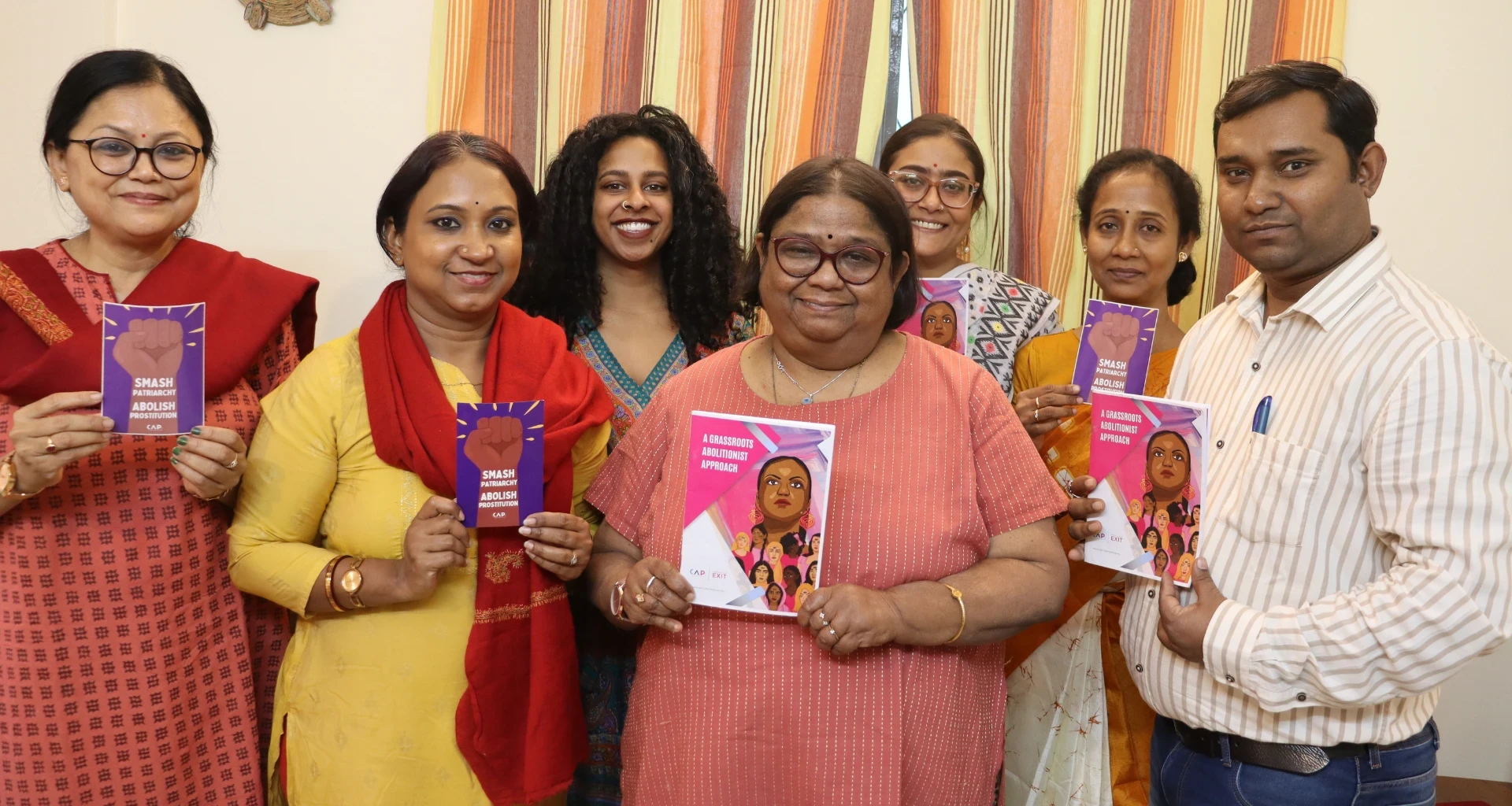
11 February 2026At the beginning of 2026, Héma Sibi, Director General of CAP International, traveled to Kolkata in eastern India. Alongside our member organization, South Kolkata Hamari Muskan (SKHM), she met with women from the red-light districts of Sonagachi and Bowbazaar, areas marked by extreme poverty, severe social marginalization, and the persistence of intergenerational prostitution.
Neighborhoods marked by exclusion and the transmission of prostitution
The Sonagachi and Bowbazaar districts in central Kolkata are home to populations mostly from oppressed castes, particularly dalits, who face very limited access to hygiene, healthcare, and education. Since British colonization, prostitution has been deeply rooted in these areas and is often passed from mother to daughter due to a lack of economic and social alternatives.
Prostitution sites are also living spaces: small rooms of 2 to 3 m² where entire families sometimes live, under conditions of extreme precariousness. Many women are forced to engage in prostitution to survive, under pressure from pimps who can be brothel owners, local actors, or even their own husbands.
Prostitution constitutes structural violence against women and children, fueled by poverty, caste discrimination, and gender inequality. Far from being a “choice,” it is based on coercion, dependency, and domination, benefiting others. This exploitation persists through networks of control—economic, social, and familial—that trap women and children in a cycle that is extremely difficult to escape.
As Priya, 23, a social work student born in Bowbazaar and supported by SKHM since 2009, testifies:
"Prostitution is not work. Work brings dignity and respect, and I have never seen a single person in prostitution receive that from those they interact with. Prostitution is violence, assault, trauma. It is not even sex: it is something violent, full of trauma, addiction, and abuse. Men take pleasure in hurting us. (…) I want this to stop for all generations after me, girls and boys alike, so they can live a life free from prostitution."
The EXIT Program: creating sustainable alternatives to prostitution
As part of the EXIT program, coordinated by CAP International, SKHM works directly within the red-light districts to create safe spaces for the women and children it supports. The goal is to promote their autonomy, dignity, and financial independence through holistic support.
Phase 2 of the EXIT program focuses on a key lever of empowerment and a vector of dignity: access to employment. SKHM guides beneficiaries toward education, vocational training, and employment, while also providing psychosocial support.
On the occasion of launching this second phase, CAP International met with women currently receiving vocational training, particularly in sewing and cooking. Those who have completed their programs are now entrepreneurs, working as independent seamstresses or developing catering services, paving the way toward sustainable socioeconomic independence.
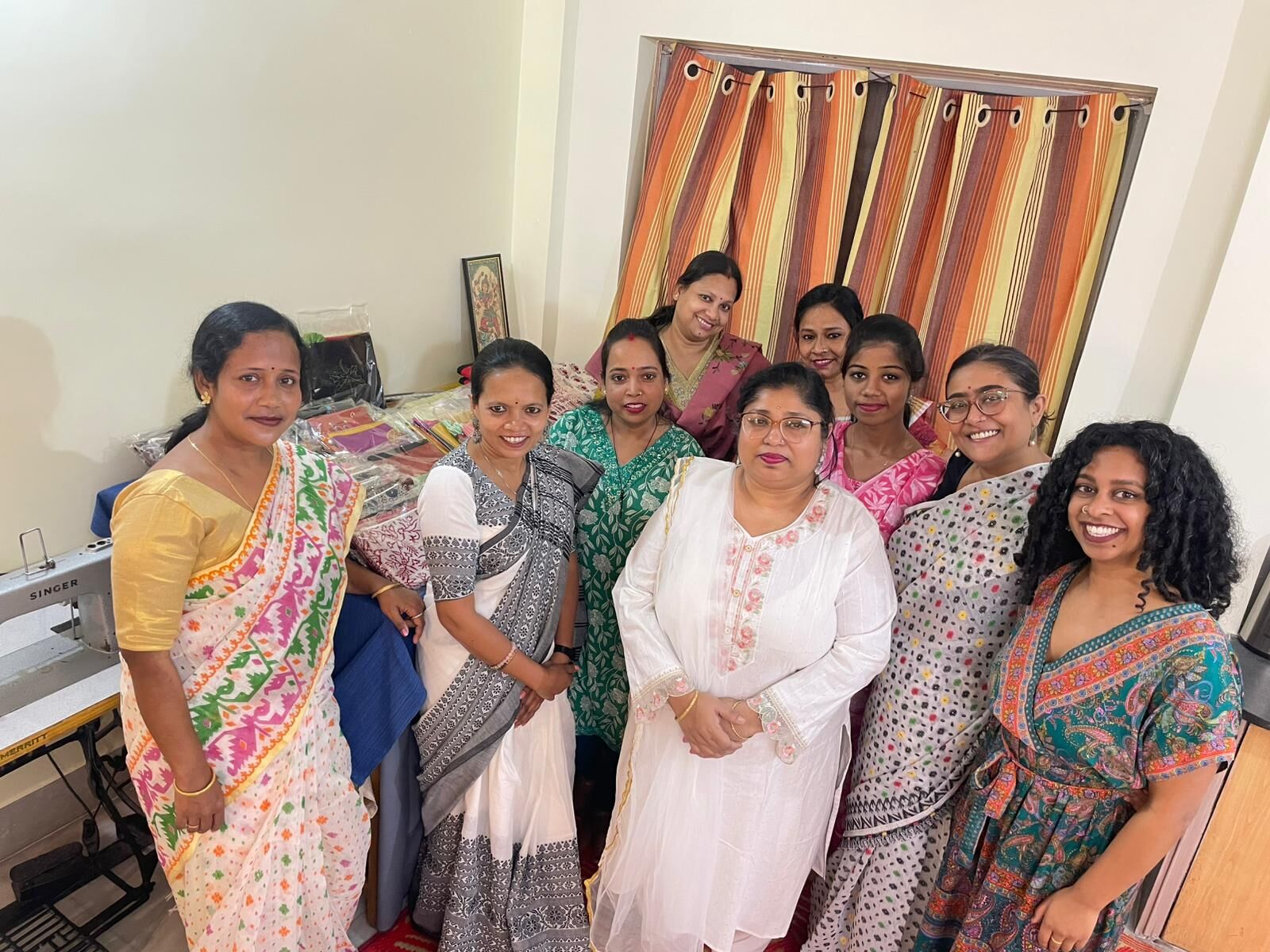
Group of women participating in SKHM’s sewing training
The voices of Sonagachi and Bowbazaar at the French Consulate: together to abolish prostitution!
The year 2026 marks the tenth anniversary of the French abolitionist law on prostitution. On this occasion, CAP International organized a press conference at the French Consulate General in Kolkata. This law, adopted in 2016, decriminalizes victims of prostitution, provides exit pathways, and penalizes clients. Ten years later, France continues to promote the abolitionist approach internationally, supporting partners like CAP International and SKHM who implement these principles on the ground.
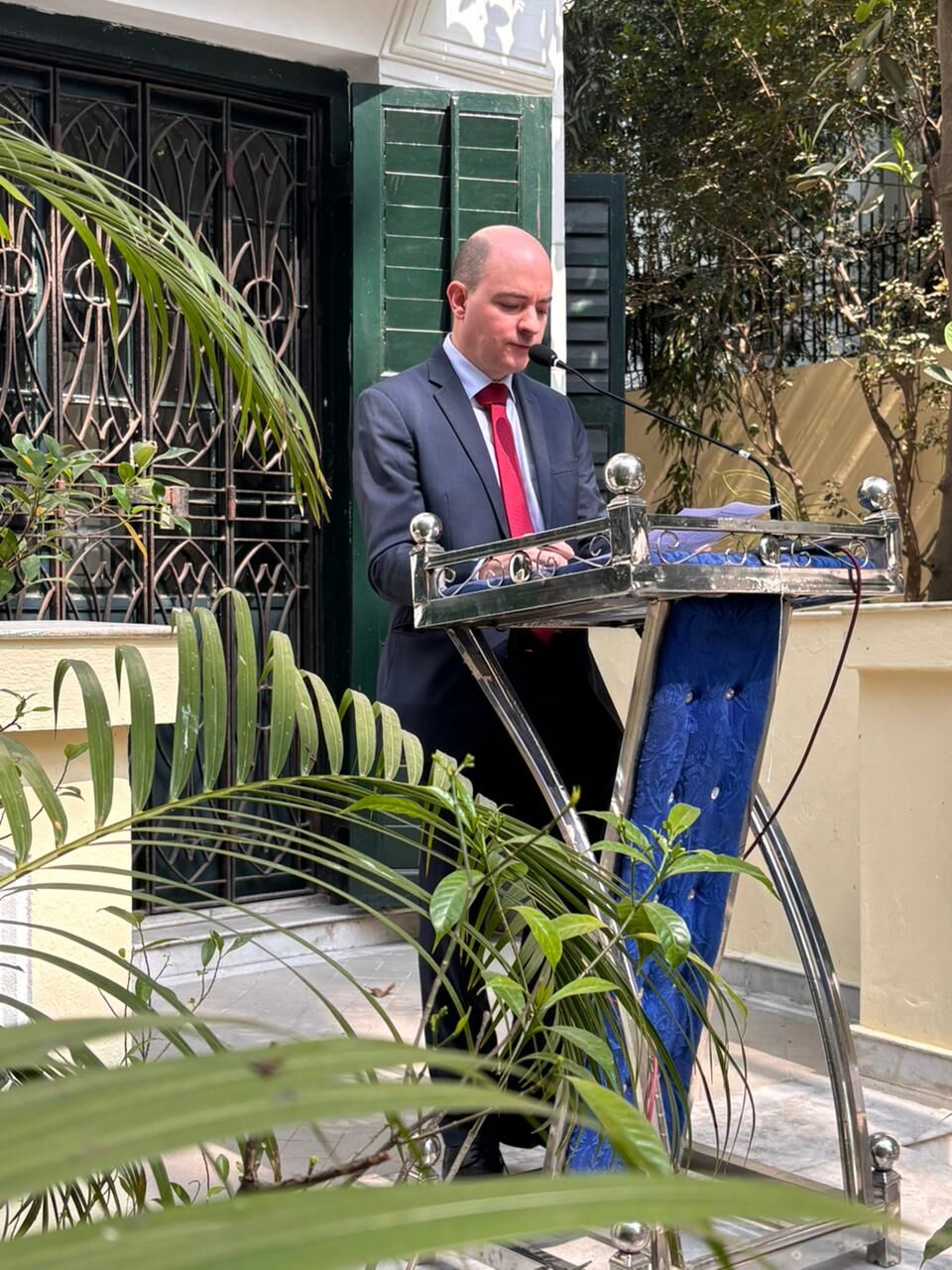
Mr. Thierry Morel, French Consul General in Kolkata
However, celebrating this law in Kolkata highlights a paradox: the city hosts the largest red-light district in South Asia. In her speech, Héma Sibi emphasized the importance of international and solidarity-based action to abolish prostitution:
"Equality can never be achieved as long as men can buy women. Abolishing prostitution means fighting patriarchy, racism, and caste discrimination."
This press conference was also an opportunity to highlight, within a diplomatic institution, the voices from the field: those of women and children born in the red-light districts of Sonagachi and Bowbazaar, supported by South Kolkata Hamari Muskan (SKHM).
"I am here to speak on behalf of the children of Bowbazaar. We have gone through a lot of suffering. I want to thank Srabani, SKHM, and the teachers who love us as their own children. My wish is that the red-light districts, Sonagachi and Bowbazaar, are no longer red-light districts but ordinary neighborhoods, pleasant to live in, and no longer linked to prostitution." — Roby, 20, commerce student, supported by SKHM since 2009 and born in Bowbazaar.
The abolition of prostitution is a struggle far from over. The voices of Sonagachi and Bowbazaar testify to the urgent need to act to protect victims and transform these neighborhoods into dignified living spaces free from exploitation.
Our contact details
14 rue Mondetour
75001, Paris, France
contact@cap-international.org
Newletters
Subscribe to the CAP Internationnal newsletter