
Select your language


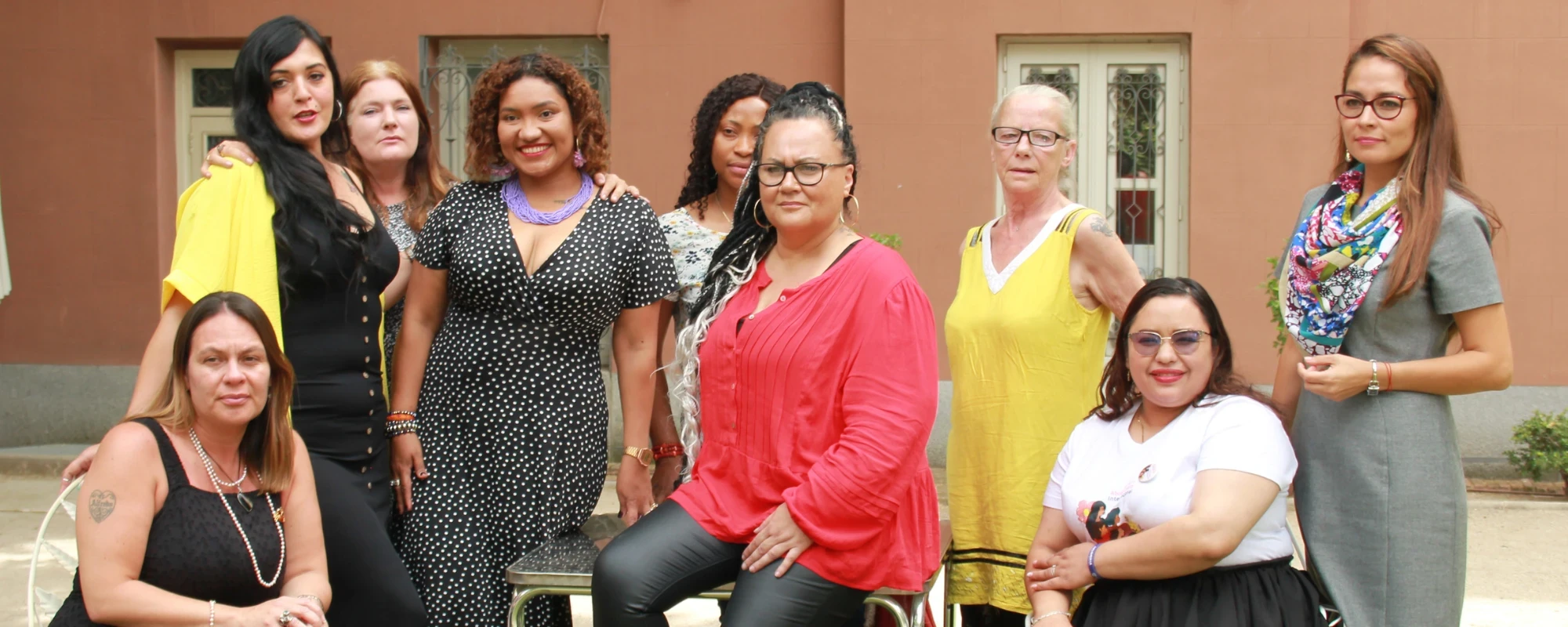
Powerful call for the abolition of prostitution in Spain from 9 survivors
15 June 2022On the occasion of CAP International's historic conference on the abolition of prostitution in Madrid this June 2022, a panel featuring an international group of nine survivors of prostitution called for the abolition of prostitution.
The other members of the panel featured two of the Spanish parliamentarians who support the proposed law spoke together in approval of the bill: Socialist Deputy for León and Secretary of Equality of PSOE Andrea Fernández, and the Popular, Deputy for A Coruñia and Deputy Spokesperson for the PP Group at the Congress Marta González Vasquez.
“Prostitution is not a choice but something you fall into."
Rosen Hicher, from France
Rosen Hicher is a leading figure of the Abolitionist movement in France and played a key role in the adoption of the Abolitionist law in the country. She uses her voice as a survivor of prostitution and an activist and wrote the book Testimony of a Prostitute. In 2014, she walked 743 kilometres across France in 2014 to raise awareness on the urgency to adopt the Abolitionist law in France.
"When you are in prostitution you don't listen to other women. I had to talk to them to realise that we were all broken souls. That gave me my life back (...) I don't understand how after celebrating legislative feminist advances in Spain, the abolition of prostitution has not been achieved yet. The abolitionist law gave me my life back."
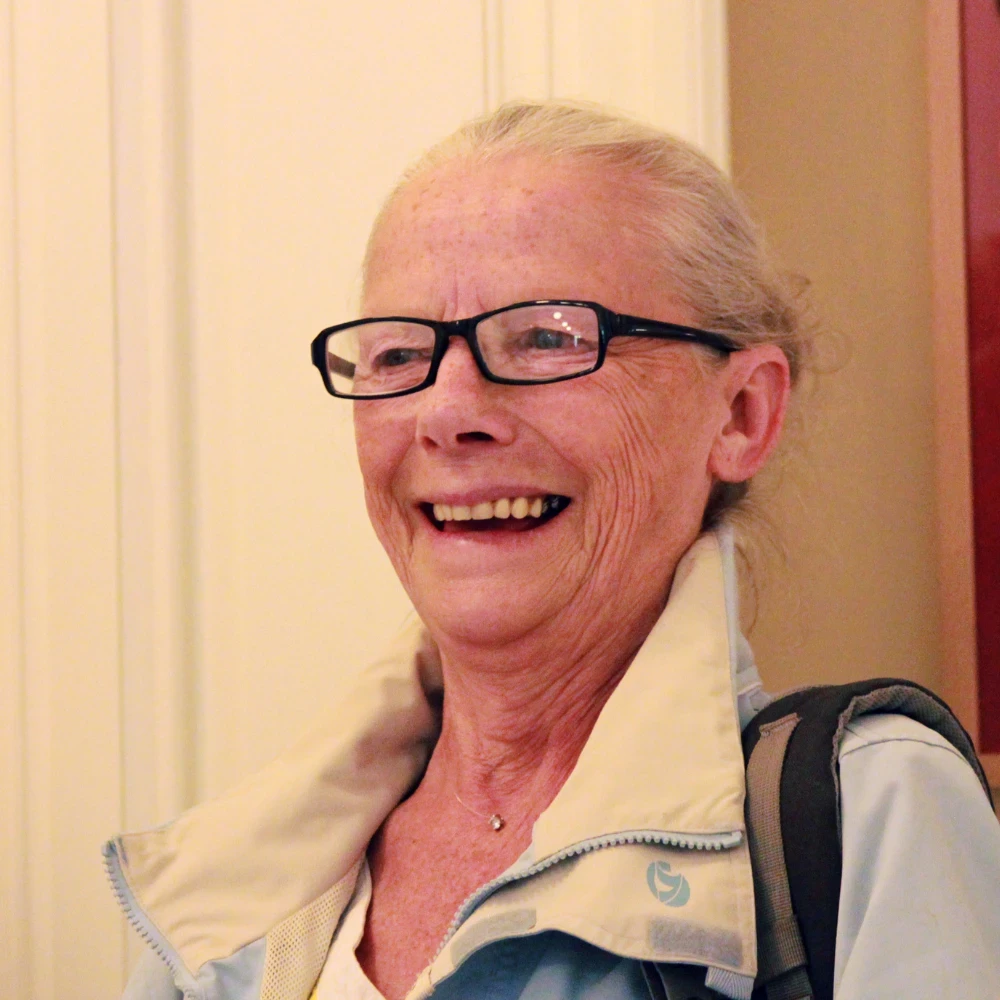
“It is time unite.”
Claudia Quintero Rolon, from Colombia
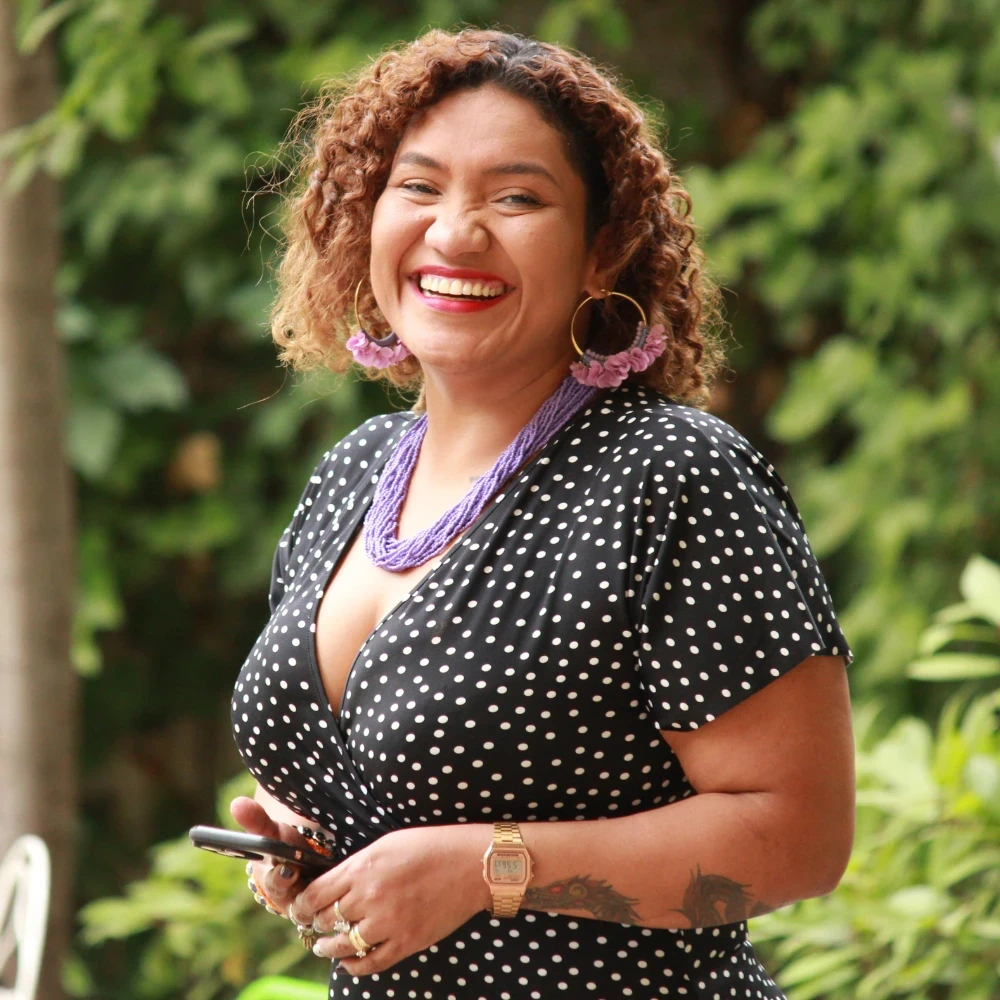
As a leader and activist, Claudia Quintero Rolon has been working for more than ten years to defend the rights of women and victims of human trafficking in Colombia and is the manager of the Empodérame Foundation. In 2022 she was elected Cafam Woman, among 29 candidates, for her work fighting against sexual violence.
"It is not about ideology, but about the value we give to women", she explained at the press conference. In the afternoon, when asked a question posed by panel moderator Marta Torres, "Why do you think it is important to support an abolitionist law in Spain?", Claudia Quintero spoke of prostituted women in Spain, Romanian women, Venezuelan women, Colombian women and women from other impoverished countries, for whom "the oldest male privilege is still in force". "Centuries ago, our grandmothers were also exploited by Spanish men," she recalled.
"Do we want a country that protects women or one that destroys life projects?"
“The New Zealand model doesn't work."
Ally-Marie Diamond, from New Zealand
Ally-Marie Diamond is the founder of the organisation Wahine Toa Rising, which supports women and children exploited in prostitution in Aoteraroa - the Maori name for her country. She is a survivor of prostitution of Pacific Maori-Islander origin.
For Diamond, in her country - where the regulatory (legalisation) model is implemented- "we see the suffering of women and NN children in prostitution, and I would not like to see it in other EDT countries”. In her own experience, she explained how in the brothel where she was prostitute "there was an emergency button and when you pressed it nobody came."
"The pimps are the ones in control (...) We don't want to have sex with you. We suffer the physical and psychological consequences of your rapes just like any other rape."
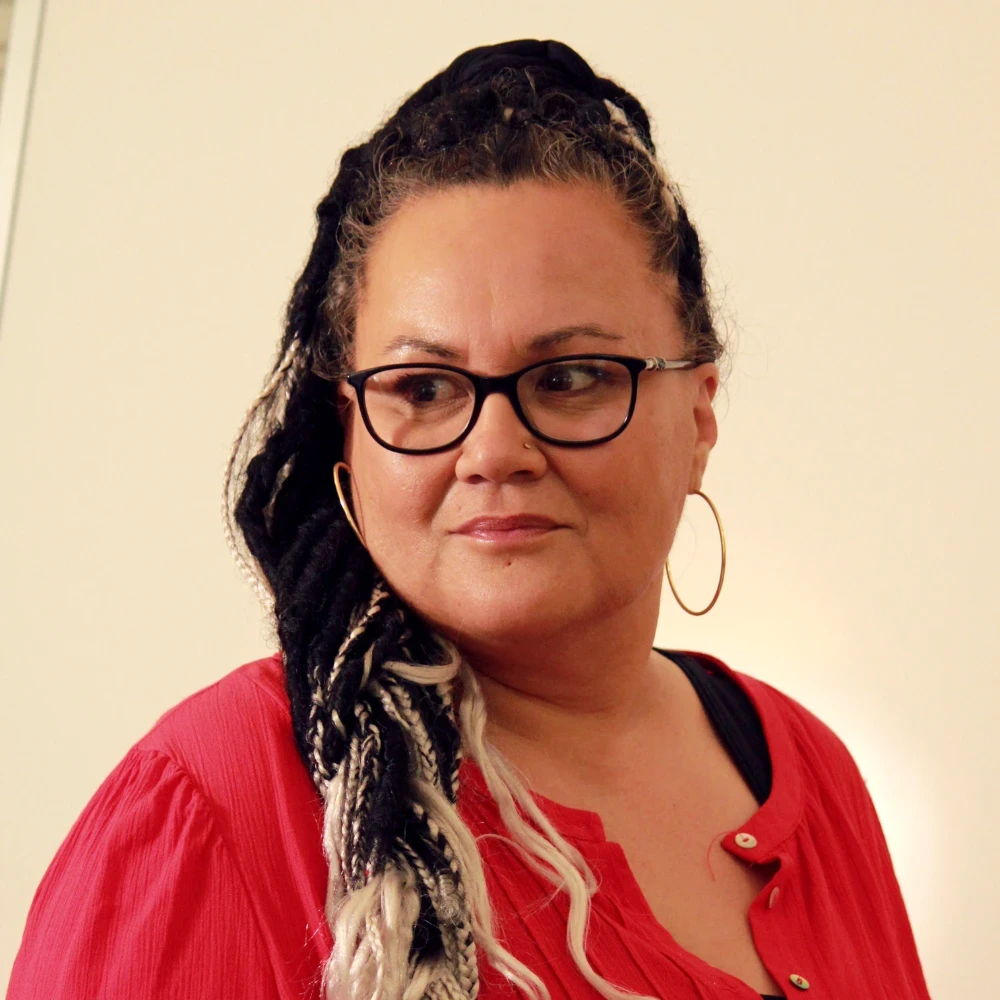
“If you can't fight or flee, you submit."
Amelia Tiganus, born in Romania and resident of Spain
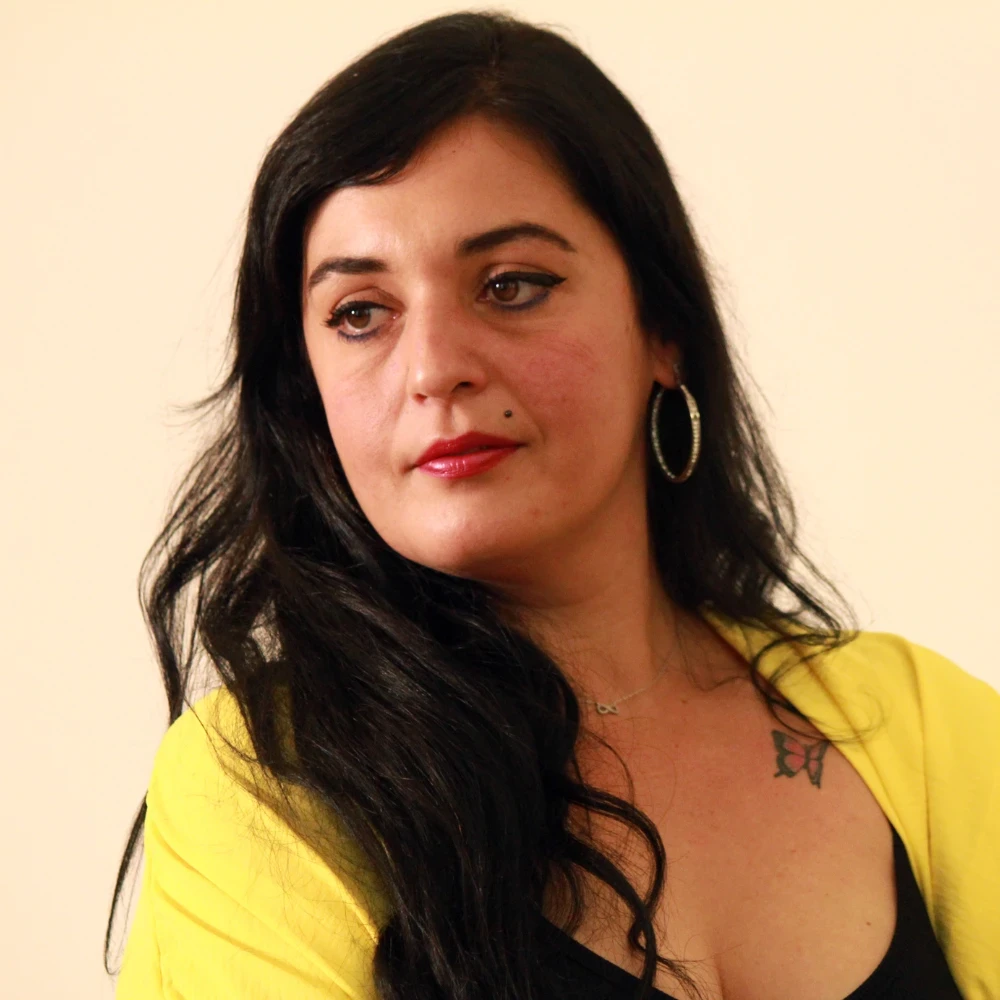
Writer and feminist well known in Spain, Amelia Tiganus is a leading figure of the Abolitionist Movement in the Basque Country, and founder of Emargi, an association for a future free of sexual and reproductive exploitation. Survivor of prostitution, she has been coordinator of the Feminicidio.net training platform and is co-founder of the International Abolitionist School.
She also recalled the situation of thousands of her compatriots, young women sexually exploited in Spain: "it hurts me deeply for my country, Romania, and when I do activism here I know I am fighting for them". For Amelia Tiganus, in response to questions about "free choice" in the context of prostitution, "to talk about agency or control of women is very perverse. Women in the global south are left with no choice."
"I have had a hard time proving that I am more than just a body. It hurts me that women who believe that they are "defending" us and earn 80,000 euros a year, say that sucking cocks is a job."
However, she says that in Spain “the women's movement has a lot of power and we can no longer look the other way," she said. Tiganus recalled the years of struggle of the feminist movement and the fight for the Organic Law Abolishing the Prostitution System (LOASP). Supporting the bill registered by the PSOE, she said that it is because of this mobilisation there is now an opportunity to have an Abolitionist law in Spain.
“I come to say: take my hand."
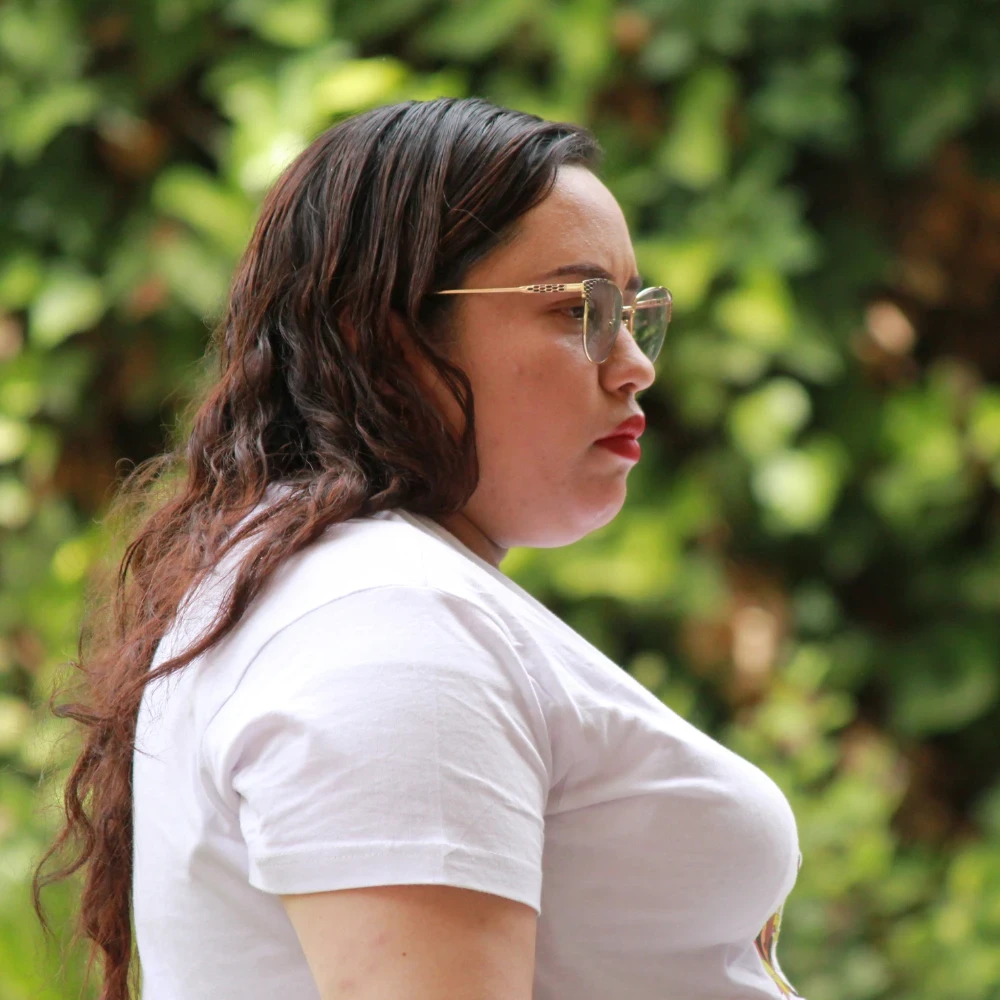
Susana Andrea Avella, from Colombia
A survivor of sex trafficking in the context of armed conflict, Susana Andrea Avella runs the Fundación Dignidad Abolicionista in Ibagué, in the Colombian department of Tolima. She participated in the creation of the national anti-trafficking strategy and created the comprehensive care methodology "Take my hand", which has benefited more than 600 women survivors of various forms of exploitation.
"When you work with an abolitionist methodology, the victims have a complete recovery process. I hope for an abolitionist law so that the history of so many women is not repeated."
“If I had been born a man, I wouldn't be here.”
Lydia Osifo, from Nigeria, victim of prostitution in Spain
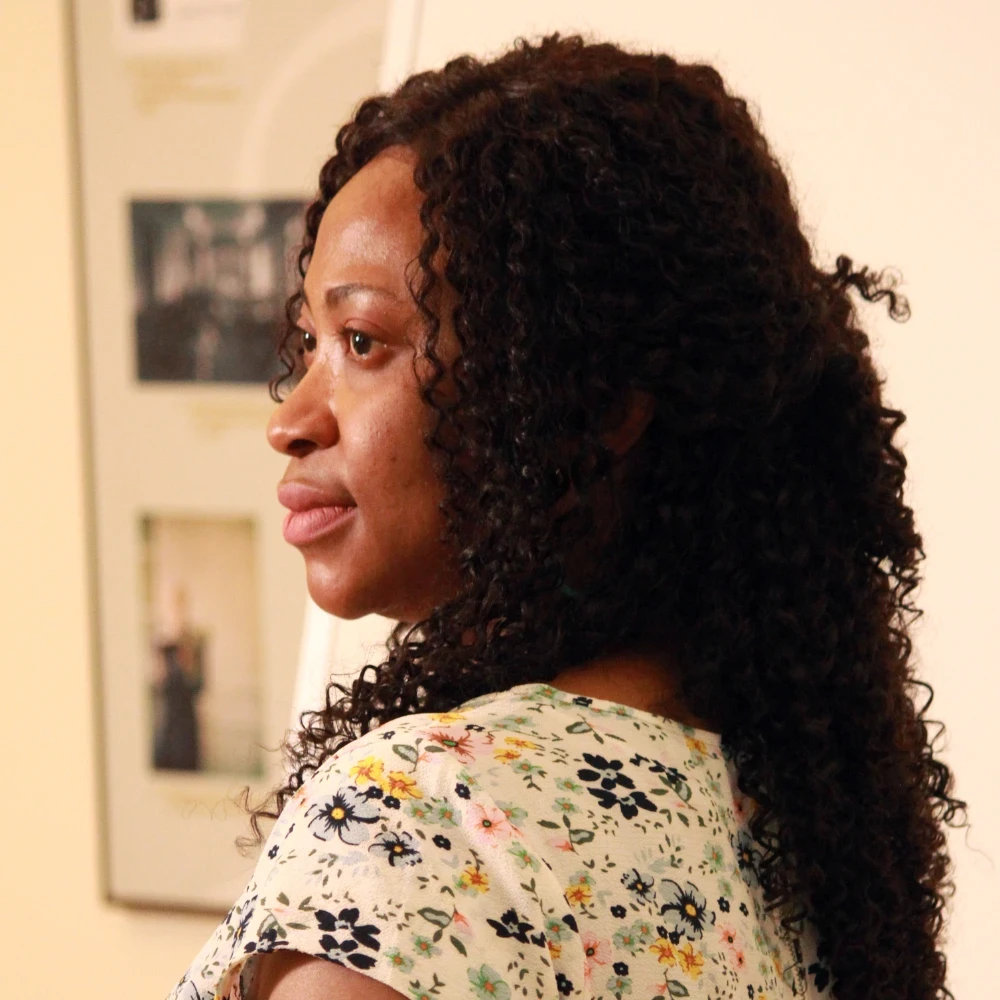
"I support the law for abolition not only because | am a survivor, but also to be the voice of many African women," states Lydia Osifo, a member of Las Poderosas, an organization that seeks to end violence against women. She is co-author of the album-book Libres para Soñar (Free to Dream) and part of the COPO Poderosa Sewing Workshop initiative, which the group carries out in collaboration with Acción Contra la Trata. "My parents were poor and couldn't provide us with three meals a day. That's why they took me to Europe. I was recruited for prostitution. It happened this way because I was a girl, not a boy”. Lydia Osifo's testimony describes the pattern that reinforces male domination over women.
"I had no self-esteem, I thought I was good for nothing. Prostitution is a process of humiliation and pain. It is violence."
“We are facing an industry that devastates the lives of women and girls."
Alika Kinan, from Argentina
Alika Kinan is a leading abolitionist and feminist from Argentina, where she was the first survivor of prostitution to successfully file a lawsuit against her exploiter and the state. She is the Director of the Alika Kinan Foundation and also the Program for Study, Training and Research on Human Trafficking at the National University of San Martin. For her, the fact that we can be discussing an abolitionist law means that good work is being done and it is an achievement that the victims themselves, the survivors themselves, are demanding it. "Today we are facing a monster that attacks our rights and our own thwarted life projects" she explained.
"The violation of our rights that exists today in Spain and around the world is intolerable. We are no longer asking for it, we are demanding it. The initial kick to achieve human dignity is to abolish prostitution, and the law is the first cornerstone."
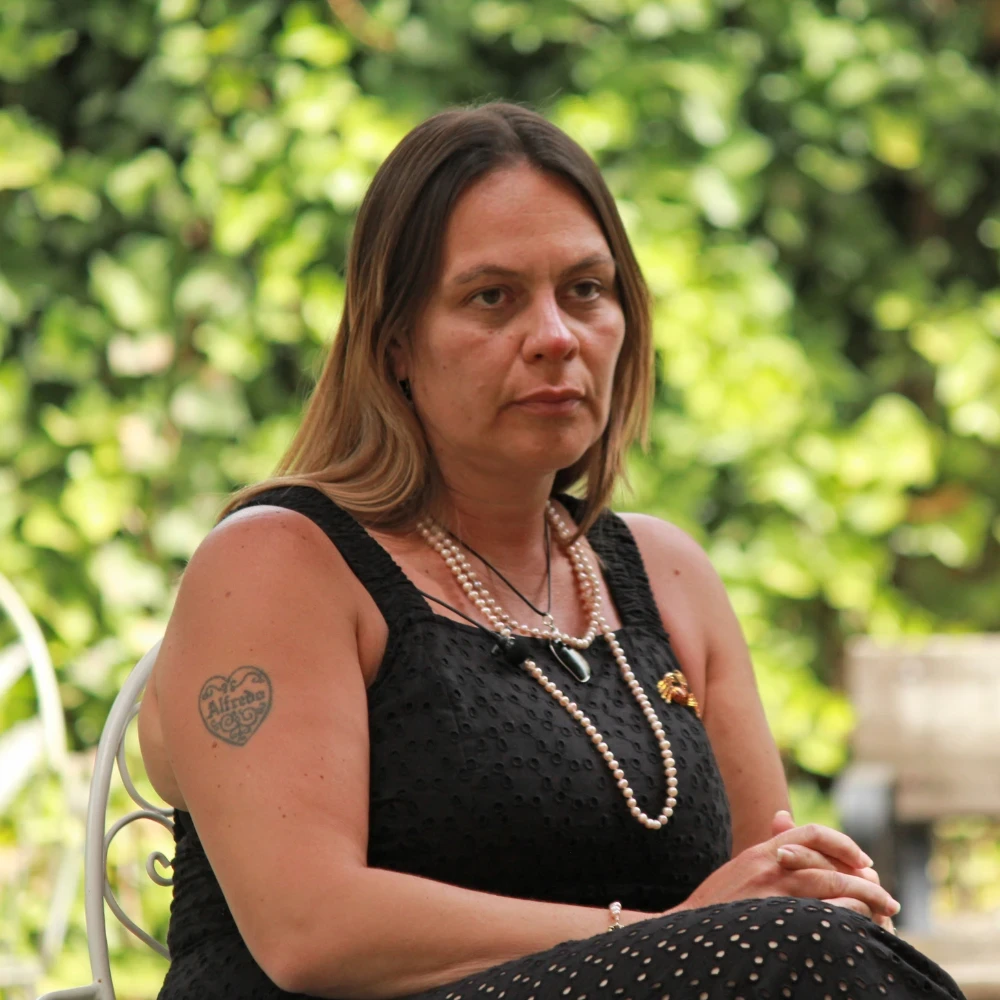
She demands abolitionist policies so as not to see "more survivors without accompaniment and full restitution of rights (...) Women in prostitution are poor. What is seized from pimps and traffickers should belong to them," she says.
“The last place a woman has control over her own body is a brothel."
Rachel Moran, from Ireland
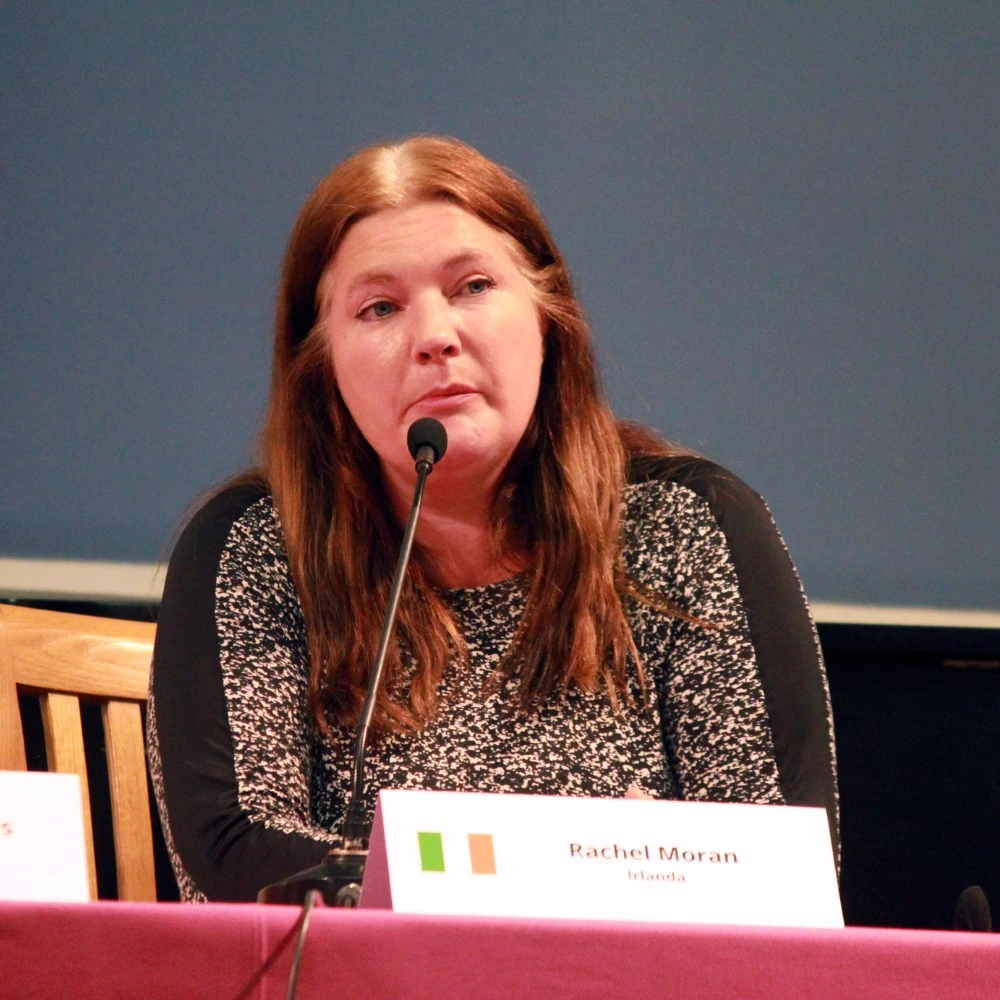
Rachel Moran is the founder of the survivor-led organisation SPACE International and author of the bestseller Paid For: My Journey Through Prostitution. Moran was instrumental in bringing the abolitionist model to Ireland, which she considers "inadequate" when it comes to fines:
"They are an insult to women, less than fines for leaving dog excrement on the street."
On the topic of data revealing high figures of prostitution demand in Spain, Rachel Moran believes that "it is a serious case" for which "now is the time. If we want to close a market, we have to put an end to the traders, and in this case, it is the pimps. (...) l am 46 years old, and I got out of the prostitution system at 22. For the good of the country, support us."
Please find attached below the call by survivors for the abolition of prostitution.
Listen to survivors.
#AboliciónProstituciónYa
Our contact details
14 rue Mondetour
75001, Paris, France
contact@cap-international.org
Newletters
Subscribe to the CAP Internationnal newsletter